AI in law — judge or tool?
AI is being used for legal analysis, prediction of verdicts, and contract review. But can AI ever replace a judge? And what are the risks?
The rise of Legal AI
Legal practice is a data-intensive field: files, case law, legislation, contracts — all text. AI is particularly good at searching, summarizing, and analyzing large amounts of text. It is therefore not surprising that AI is quickly finding its way into the legal world.
Applications of AI in legal practice
- Contract analysis — AI scans contracts for risks, deviations from standard terms, and missing clauses
- Due diligence — in mergers and acquisitions, hundreds of documents are screened by AI
- Case law research — AI finds relevant rulings faster than a lawyer
- Predictive justice — models that predict the likelihood of a particular verdict based on historical data
- Automated fines — traffic fines and social security decisions are already algorithmically imposed
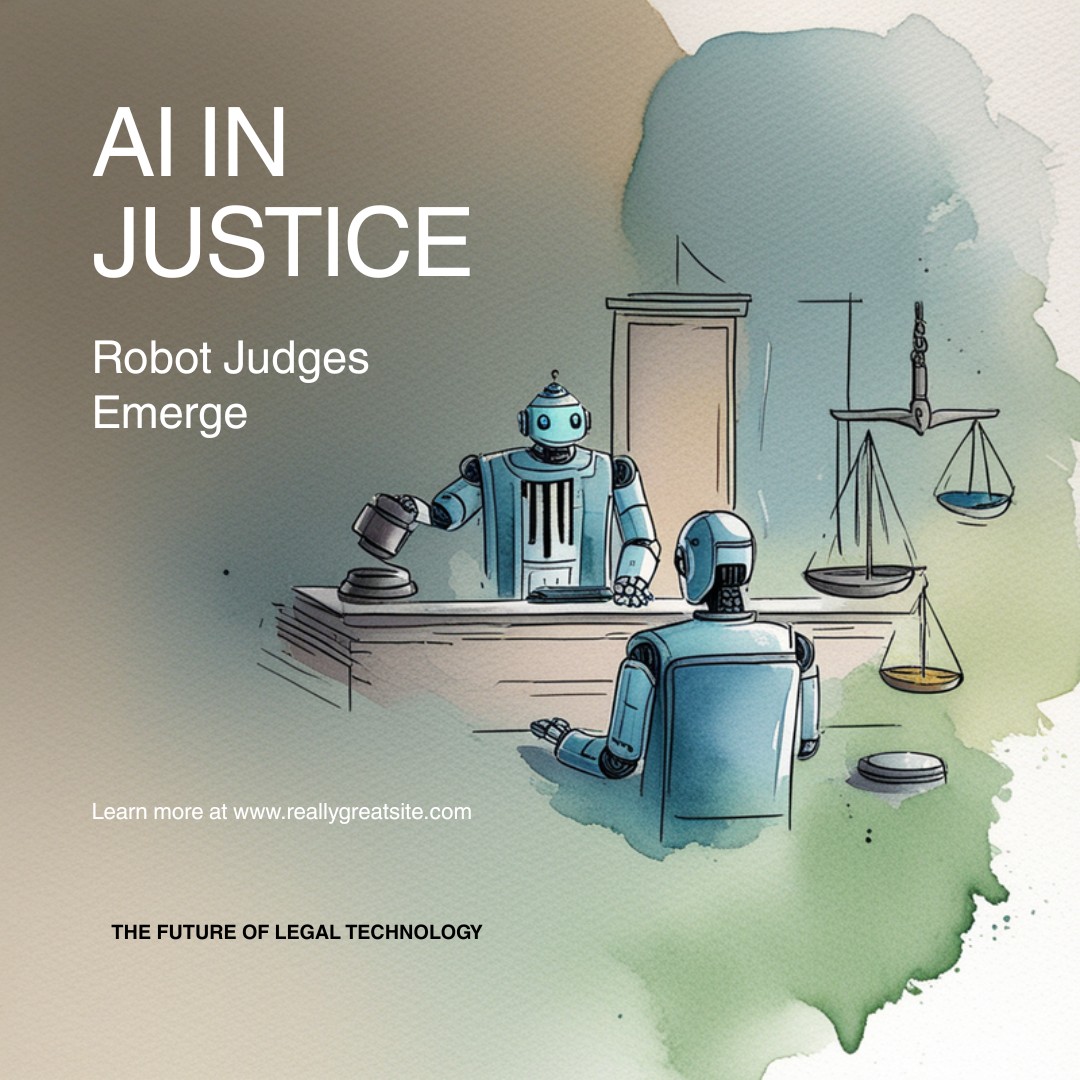
Illustration created with Canva AI
Risks and ethical objections
- Bias in historical data — if historical verdicts were discriminatory, AI learns those patterns
- Lack of transparency — a 'black box' decision cannot be explained and is difficult to challenge
- Right to a fair trial — the Constitution and ECHR require human decision-making in criminal cases
- Hallucination — AI models can fabricate fake case law (this has occurred multiple times in courtrooms)
Can AI replace a judge?
Not for now — and probably never fully. Rendering judgment requires more than pattern recognition: it requires moral judgment, understanding of context, and the legitimacy that comes from human accountability. AI can support a judge, but not replace them.
The EU AI Act classifies AI systems used in judicial decision-making as high-risk and sets strict requirements for transparency and human oversight.
Author: Claude claude-sonnet-4-6